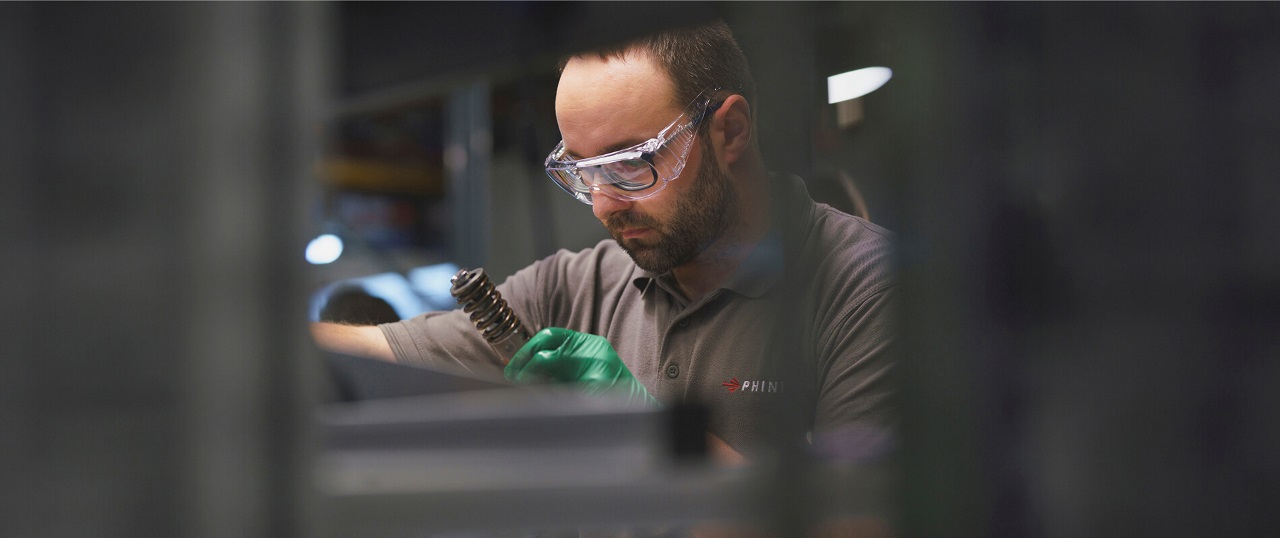

Environment_Header_Cropped

ENVIRONMENT

Innovation to Reduce Emissions

Central to our business and core values is designing and developing products that enable traditional combustion and hybrid propulsion systems to run at optimum efficiency with lower emissions.


This year, we dedicated 60% of our R&D budget to enhancing fuel efficiency and nearly 25% to the development of lower-carbon and carbon-free fuel technologies.*

*Does not include 2025 SEM acquisition data.


Design for Environment


Our Design for Environment (DfE) engineering approach lowers carbon, energy, water, and resource footprints by embedding environmental considerations directly into the design phase.

A dedicated lifecycle assessment (LCA) software tool was selected and piloted in 2024 to assess the environmental impact of specific products across their full life cycles, enabling us to provide customers with estimated product carbon footprints. In 2025, we used LCA results to guide select product-level environmental improvements.


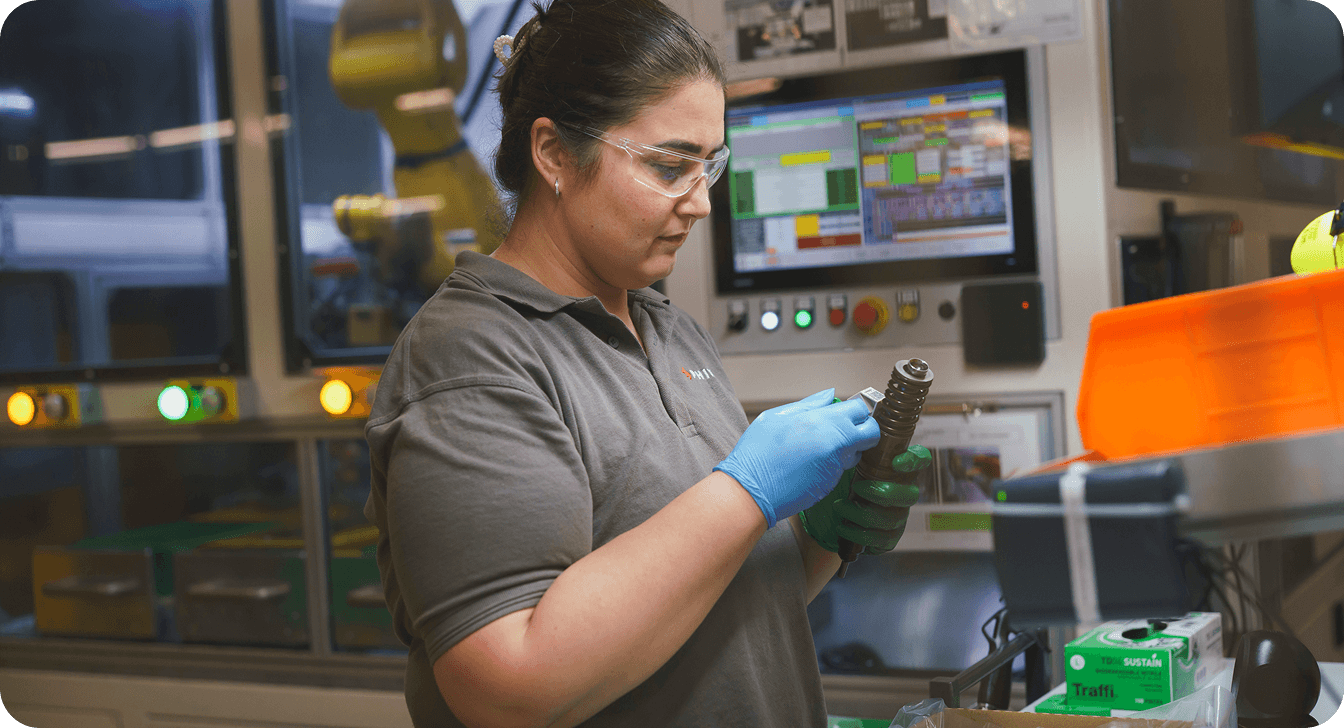
Remanufactured automotive components arranged on a production line in a manufacturing facility

Remanufacturing: Promoting a Circular Economy


PHINIA is an established provider of remanufactured vehicle components, offering a lower-impact, cost-efficient alternative to new production parts, maintaining OEM performance specifications while reducing material consumption and end-of-life waste.

In 2025, our remanufacturing facility in Troy (U.S.) processed more than 450,000 pounds of used core, successfully reusing 63% of the core mass of manufactured material to return functional products back into service, with 93% of the remaining material was recycled.


Facilities and Operations

This year, across our global facilities and operations, we expanded the use of energy monitoring infrastructure and our global energy analytics dashboard. These tools increased site-level accountability and enabled more proactive management of energy consumption and greenhouse gas (GHG) emissions.

Product and Solution

Energy Management

Our annual global energy consumption decreased by 2.9% in 2025 compared to 2024, and our energy intensity (MWh/$M) improved by 5.1% over the same period.

Reducing Greenhouse Gas Emissions 

Through lower energy consumption, reduced natural gas use, and increased green energy procurement, our Scope 1 and 2 GHG intensity (mt CO2e) improved by 35% in 2025 compared to 2024.

This year, we also achieved our first independent verification of Scope 1 and 2 GHG emissions, strengthening the credibility of our emissions data. 

Scope 3 emissions cover the broader value chain outside of our direct operational control. We engaged external consultants in 2024 to assist in developing our strategy relating to Scope 3 emissions, including using spend-based methodology for our calculations. In 2025, we began working toward a hybrid approach (combining spend‑based and activity‑based data) for our Scope 3 calculations, where data was available. This data will be used as a baseline for further development and value chain improvements. 


“Sustainability is core to innovation and operational efficiency at PHINIA — from our R&D investments and the products we design to the way we run our facilities.” 


Chris Gustanski, Vice President, Operational Excellence, Sustainability Steering Committee member 

Local Stories, Global Impact_Environment

GURGAON, INDIA: Water Security in High-Risk Area

In 2025, PHINIA conducted its first enterprise-wide water stress assessment across all our locations to evaluate potential water-related risks and their implications for operational continuity and surrounding communities. 

At our Gurgaon, India facility, we installed an ultra-filtration system and dedicated pipeline to treat and reuse sewage treatment plant water for gardening and sanitary flushing applications, reducing dependence on freshwater sources and providing an avoidance of 442 cubic meters annually which accounts for an 11% reduction, promoting the site’s resilience in a high water stressed region.

Water treatment facility highlighting sustainable infrastructure.

GERMANY: Hydrogen Light Commercial Vehicle Certification

PHINIA achieved Individual Vehicle Approval with TÜV SÜD in Germany for an H2ICE retrofit for an LCV in late 2025. 

This certification opens the path to retrofit opportunities already attracting interest from fleet owners equipped with hydrogen refueling stations and could ultimately pave the way for standard series production by OEMs. The project was recognized with two awards at EQUIP AUTO in 2025: ESG Award and Innovation of the Year.
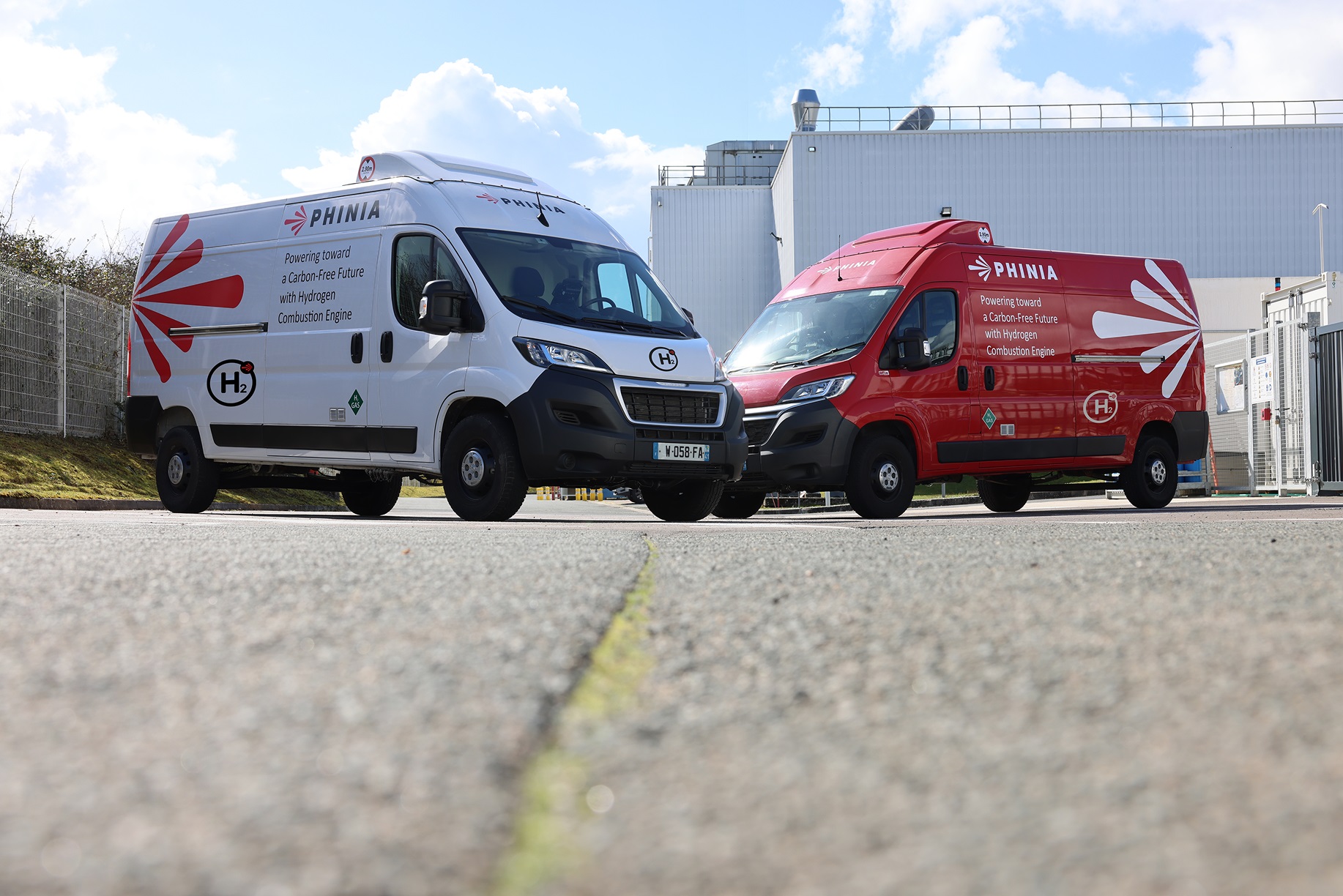
PHINIA-branded hydrogen vans parked outside an industrial facility.

CHINA: 100% Methanol Fuel Injection System Development

In partnership with Geely, a leading global vehicle manufacturer based in China, PHINIA is developing one of the first M100 (100% methanol) systems for future serial production vehicles. 

The fuel system has the potential to reduce lifecycle CO₂ emissions by up to 100% depending on how the methanol is produced (with reductions varying based on the electricity source and level of carbon capture employed). 
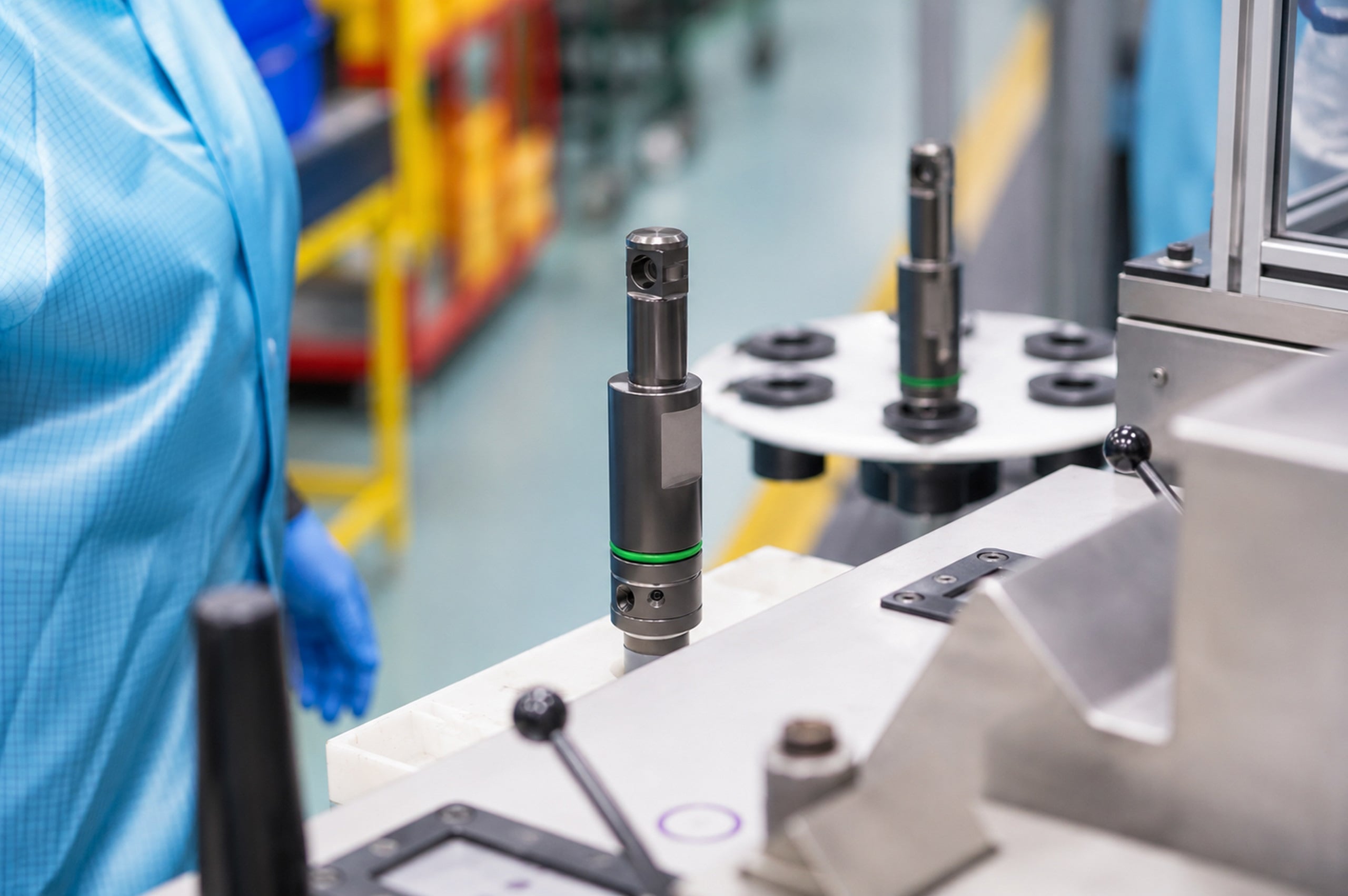
Fuel injectors positioned on an automated production line in a manufacturing facility.

    PHINIA Sustainability Report 2025